
Prevent Injury With Correct Movement
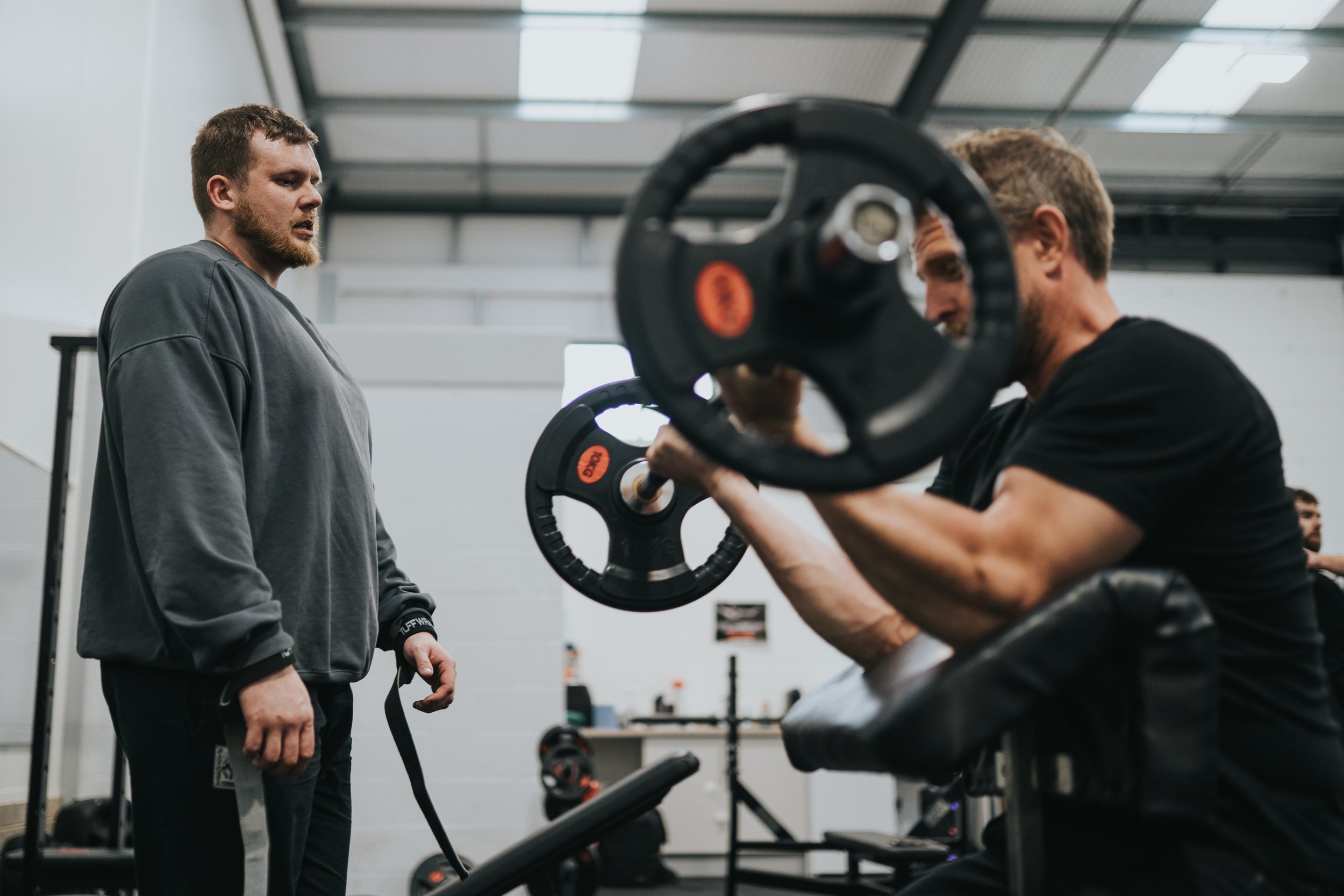
The Foundation of Safe and Effective Fitness Training
Building strength, improving endurance, and becoming fitter are goals that bring many people into the gym. While motivation, effort, and consistency are essential, one principle stands above the rest when it comes to long-term progress: moving correctly.
Correct movement is the foundation of safe and effective physical training. It allows the body to perform exercises efficiently while reducing unnecessary stress on joints, muscles, and connective tissues. When movement quality is prioritised, workouts become more productive, progress becomes more sustainable, and the risk of injury decreases dramatically.
As fitness professionals, we regularly see the difference between individuals who focus on proper technique and those who rush through exercises without paying attention to how they move. The difference is clear. Those who train with proper movement patterns build strength safely and continue improving over time, while those who neglect technique often experience setbacks caused by discomfort, strain, or injury.
Training correctly is not about perfection. It is about respecting the mechanics of the body and developing movement patterns that support strength, stability, and longevity.
Why Correct Movement Matters in the Gym
Every exercise performed in the gym places some level of stress on the body. This stress is not harmful when it is applied correctly. In fact, it is what stimulates muscles to grow stronger and the body to adapt.
However, when exercises are performed with poor movement patterns, that stress is directed toward vulnerable areas such as joints, ligaments, and tendons. Over time, this can lead to discomfort or injury.
Correct movement ensures that the right muscles are doing the work while the rest of the body remains stable and supported. For example:
A proper squat distributes load through the hips and legs rather than the lower back.
A controlled deadlift uses the posterior chain rather than placing strain on the spine.
A stable pressing movement engages the shoulders and chest without excessive joint stress.
When exercises are performed correctly, the body works as a coordinated system rather than a collection of isolated parts.
The Link Between Movement Quality and Injury Prevention
Preventing injury is one of the most important reasons to prioritise proper movement in training.
Many gym-related injuries occur not because an exercise is inherently dangerous, but because the movement pattern is performed incorrectly or with too much weight before the body is ready.
Common issues caused by poor movement include:
Lower back strain from improper lifting technique
Shoulder discomfort from unstable pressing mechanics
Knee pain caused by poor squat alignment
Muscle imbalances from compensating with the wrong muscle groups
When correct technique is prioritised, the body distributes force efficiently across multiple muscles and joints. This reduces the chance of overloading a single area and helps prevent injuries before they occur.
A focus on movement quality also allows individuals to identify and correct weaknesses early. For example, tight hips, weak glutes, or poor core stability can all influence movement patterns. Addressing these areas improves overall function and reduces injury risk.
Mastering the Fundamental Movement Patterns
Most exercises in the gym are built around a small number of fundamental movement patterns. Developing proper technique within these patterns creates a strong foundation for safe training.
Squatting
The squat is one of the most effective lower-body exercises, but it must be performed with control and proper alignment.
A well-executed squat includes:
Neutral spine alignment
Knees tracking in line with the toes
Weight distributed evenly through the feet
Controlled descent and ascent
When these elements are maintained, the squat becomes a powerful tool for strengthening the legs, glutes, and core.
Hip Hinging
The hip hinge is the foundation of exercises such as deadlifts and kettlebell swings.
A proper hinge pattern involves:
Pushing the hips backward
Maintaining a stable spine
Engaging the glutes and hamstrings
Learning this movement protects the lower back while building strength in the posterior chain.
Pushing Movements
Exercises such as push-ups, bench presses, and overhead presses rely on controlled pushing mechanics.
Key elements include:
Shoulder stability
Core engagement
Controlled movement throughout the range of motion
These factors ensure the chest, shoulders, and triceps perform the work while the joints remain protected.
Pulling Movements
Pulling exercises such as rows and pull-ups strengthen the upper back and improve posture.
Correct pulling technique focuses on:
Engaging the shoulder blades
Maintaining spinal alignment
Avoiding excessive momentum
Balanced pushing and pulling movements help maintain shoulder health and muscular symmetry.
Warm-Ups: Preparing the Body for Safe Movement
One of the simplest ways to prevent injury is to begin each workout with an effective warm-up.
A proper warm-up prepares muscles, joints, and the nervous system for exercise. It increases blood flow, improves mobility, and activates key muscle groups.
A well-structured warm-up often includes:
Light cardiovascular activity
Dynamic mobility exercises
Activation drills for stabilising muscles
Gradual increases in training intensity
Skipping this step may save a few minutes, but it significantly increases the risk of strain or discomfort during workouts.
Mobility and Flexibility: Supporting Proper Movement
Good movement requires adequate mobility. Tight muscles and restricted joints can alter movement patterns and place additional strain on the body.
For example:
Limited hip mobility can affect squat depth and alignment
Tight shoulders can interfere with overhead pressing mechanics
Restricted ankle mobility can influence balance and stability
Regular mobility work helps maintain healthy movement patterns. Stretching, foam rolling, and targeted mobility exercises improve joint range of motion and allow exercises to be performed more efficiently.
Training Smart: Progression Without Injury
Progression is an essential part of fitness. Increasing weight, intensity, or training volume stimulates improvement. However, progression must occur gradually and intelligently.
Adding weight before mastering technique often leads to compromised movement patterns.
Safe progression involves:
Perfecting movement technique first
Increasing load gradually
Maintaining control throughout the exercise
Prioritising quality over ego
The goal is not simply lifting heavier weights, but lifting them well.
Staying Consistent Through Safe Training
Injury is one of the biggest barriers to consistency in fitness. When discomfort or strain interrupts training, progress slows and motivation can decline.
Correct movement helps protect the body so individuals can train consistently over months and years.
Consistency is built through habits such as:
Training at a Sustainable Frequency
Three to five workouts per week provide enough stimulus for progress while allowing adequate recovery.
Listening to the Body
Fatigue, soreness, and reduced mobility are signals that recovery may be needed. Adjusting intensity when necessary helps prevent overuse injuries.
Focusing on Long-Term Progress
Fitness is not about short bursts of effort. Sustainable training routines that prioritise movement quality support lifelong health and performance.
Learning and Improving Technique
Working with experienced trainers, watching instructional guidance, and practising movements with lighter loads can dramatically improve technique.
Small improvements in movement often produce large improvements in performance and safety.
The Confidence That Comes From Moving Well
One of the most rewarding aspects of learning correct movement is the confidence it creates.
When individuals understand how to move safely and efficiently, they approach workouts with greater control and enjoyment. Exercises feel smoother, strength develops naturally, and the fear of injury diminishes.
Good movement also translates beyond the gym. Everyday activities such as lifting objects, climbing stairs, or playing sports become easier and safer.
Fitness becomes not just a routine but a skill set that enhances daily life.
A Positive Path Forward With Dynamix Fitness
Moving correctly is the foundation of safe and effective training. It protects the body, improves performance, and makes it possible to stay consistent with fitness goals for years to come. When movement quality becomes a priority, strength develops naturally, confidence grows, and workouts become something to look forward to rather than something to worry about.
At Dynamix Fitness, we are passionate about helping every member train safely and effectively. Our facility provides high-quality equipment, supportive coaching, and a welcoming community that encourages proper movement and long-term progress. When people train in the right environment with the right guidance, consistency becomes easier and fitness becomes a positive part of everyday life.
Choosing Dynamix Fitness means choosing a gym that values technique, safety, and community. Together, we create an environment where members can move better, train smarter, and continue building strength and health with confidence.